
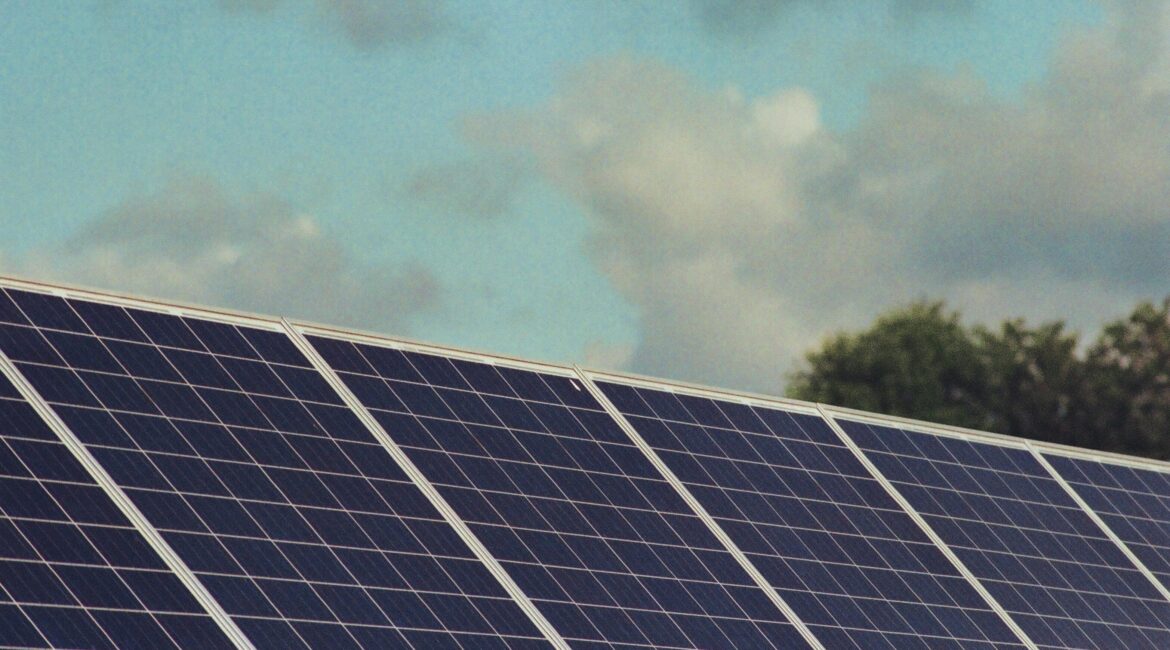
If you are considering solar panel installation in Islamabad or Rawalpindi, you have probably wondered: what happens on cloudy days or during rain? It is a fair concern. After all, solar panels depend on sunlight, and our weather is not always perfectly sunny.
The simple answer is that solar panels do work without direct sunlight. But like most things, there is more to the story.
How Solar Panels Actually Work
To understand this properly, it helps to know how solar panels generate electricity and what is happening behind the scenes when sunlight hits your roof.
Solar panels are made of photovoltaic (PV) cells, usually built using silicon. These cells are designed to absorb sunlight and convert it into usable electricity for your home. When sunlight reaches the surface of a panel, it carries tiny energy particles called photons. As these photons strike the PV cells, they transfer their energy to electrons inside the material. This energy causes the electrons to break free and start moving.
This movement of electrons creates direct current (DC) electricity. Since most household appliances run on alternating current (AC), an inverter is used to convert this DC electricity into AC, making it usable for your daily needs like fans, lights, and air conditioners.
Now here is the important part that many people misunderstand. Solar panels do not rely only on strong, direct sunlight. While direct sunlight helps the panels perform at their peak, they can also generate electricity using indirect or diffused light. This is the softer light that passes through clouds, reflects off buildings, or spreads across the sky even when the sun is not clearly visible.
That is why on cloudy or slightly overcast days in Islamabad, your system does not stop working completely. It continues to produce electricity, just at a reduced level. The efficiency depends on how much light is available, but the panels are always working as long as there is daylight.
This ability to use both direct and indirect sunlight is what makes solar a reliable energy solution, even in areas where the weather is not sunny all year round.
Direct vs Indirect Sunlight: What’s the Difference?
On a clear sunny day, panels receive direct sunlight and operate at their highest capacity. This is when your system produces the maximum number of units.
On cloudy days, sunlight gets scattered in the atmosphere. This diffused light still carries energy, but not as much. So your system continues to produce electricity, just at a lower level.
In simple terms, your system slows down, but it does not stop.
What Happens on Cloudy Days in Islamabad?
Cloud cover is quite common in certain months, especially during the monsoon season. The good news is that solar panels still perform under these conditions.
On lightly cloudy days, your system might still produce a decent amount of electricity. On heavily overcast days, production can drop more noticeably.
Most systems produce anywhere between 10% to 60% of their usual output, depending on how thick the cloud cover is.
This is why solar still makes sense in this region. Over the course of the year, Islamabad receives enough sunlight to make solar panel systems in Islamabad and Rawalpindi highly practical.
Do Solar Panels Work During Rain?
Rain often raises concerns, but the panels themselves are not affected by water. They are designed to handle outdoor conditions.
The real issue during rain is the cloud cover that comes with it. Thick rain clouds block sunlight, which reduces output. During heavy rain, production can drop significantly.
Interestingly, rain also has a benefit. It naturally washes away dust and dirt from the panels. In cities like Islamabad, where dust can build up quickly, this cleaning effect can actually improve performance once the weather clears.
The Impact of Shade on Solar Panels
Shade is something many homeowners overlook, but it can have a bigger impact than clouds.
Even partial shading from a tree, a nearby building, or dirt on the panel can reduce output. In older systems, shade on one panel could affect the performance of the entire system.
Modern solar systems handle this much better. Technologies like half-cut panels and advanced inverter setups reduce the effect of shading. If you are working with a reliable solar company in Islamabad, they will design your system in a way that minimizes these losses.
What Happens at Night or During Low Production?
Solar panels do not produce electricity at night. So naturally, people ask how the system works after sunset or during very low sunlight.
There are three common setups used in Pakistan:
- Grid-tied systems, where you use solar during the day and switch to WAPDA supply at night
- Hybrid systems, which include batteries and provide backup during load shedding
- Off-grid systems, which rely entirely on batteries and are used in areas without grid access
For most homes in Islamabad, hybrid systems are becoming more popular. They provide a balance between savings and backup.
Batteries: Do You Really Need Them?
Batteries are not always required, but they become important if you want backup during power outages.
There are two main options available in the market:
- Lead-acid batteries, which are cheaper but require maintenance and have a shorter lifespan
- Lithium-ion batteries, which are more efficient, last longer, and require minimal maintenance
Most modern solar systems in Rawalpindi and Islamabad now use lithium batteries because they are more reliable in the long run.
Is There Enough Sunlight in Islamabad for Solar?
This is one of the biggest concerns for homeowners, but the answer is quite reassuring.
Pakistan receives strong solar radiation throughout the year. Even in cities like Islamabad, the average sunlight is more than enough to make solar a worthwhile investment.
As a general rule, around 4 peak-sun hours per day are enough for a system to be effective. Islamabad comfortably falls within this range.
So even with seasonal changes, your system will generate enough energy over the year to reduce your electricity bills significantly.
Positioning Matters More Than You Think
Where and how your panels are installed make a big difference.
In Pakistan, south-facing panels usually perform best because they receive the most sunlight throughout the day. If south is not possible, west-facing panels are still a good option.
A professional solar panel installation in Islamabad always includes a proper site survey to determine the best angle and direction for your system.
Getting the Best Performance from Your Solar System
Even though solar panels are low maintenance, a little attention can go a long way in improving performance.
- Make sure your panels are installed in a location with minimal shade
- Clean them regularly to remove dust and dirt
- Use high-quality panels and inverters
- Choose an experienced installer who understands local conditions
These small factors can make a noticeable difference in your system’s output over time.
So, Do Solar Panels Work Without Sunlight?
They do not work in complete darkness, but they definitely work without direct sunlight.
They continue to produce electricity using diffused light on cloudy days, during rain, and even in less-than-ideal weather conditions. The output may drop, but the system keeps running.
For homeowners looking into solar panel installation in Islamabad or Rawalpindi, this means you can rely on solar energy throughout the year, not just on bright sunny days.
Final Thoughts
Solar energy is no longer a luxury in Pakistan. With rising electricity costs and frequent power issues, it has become a practical solution for many households.
Weather conditions do affect performance, but they do not stop your system from working. With the right setup, proper installation, and quality components, solar remains one of the most dependable energy options available today.
At Usman Solar, we focus on delivering reliable and efficient solar solutions tailored for homes and businesses in Islamabad and Rawalpindi. From complete system design and professional installation to net metering support and after-sales service, our team ensures that your solar investment performs at its best in every season.
If you are planning to switch, now is a great time to take the next step. Contact Usman Solar today for a free consultation and site survey, and let us help you reduce your electricity bills with a system built for long-term performance.
Special installment offers are also available for TAJ residents, making it even easier to go solar without putting pressure on your budget.